

Supports all major desktop browsers and mobile devices.
Embraces standard web technologies and provides a powerful Javascript API.
The tool generates a virtual tour from a set of panoramas and allows you to export it as web application that can be deployed as-is or used as a boilerplate for more advanced projects. Requires Firefox or Chrome.
Marzipano ToolSee the documentation for instructions.

Designed to work with web standards. Control the viewer with a powerful Javascript API and create interfaces using standard HTML and CSS.

Built with WebGL technology supported on all modern desktop and mobile browsers and devices.

Marzipano is optimized to display 360° images of any size with the best performance possible. It is also lightweight: 55KB when gzipped.
Marzipano provides a simple API for the most common use cases, but it is designed to give the user a lot of control over how it works.
The demos showcase some of the possibilities that Marzipano allows and how to implement them. Their source code is available on GitHub.
View all demos

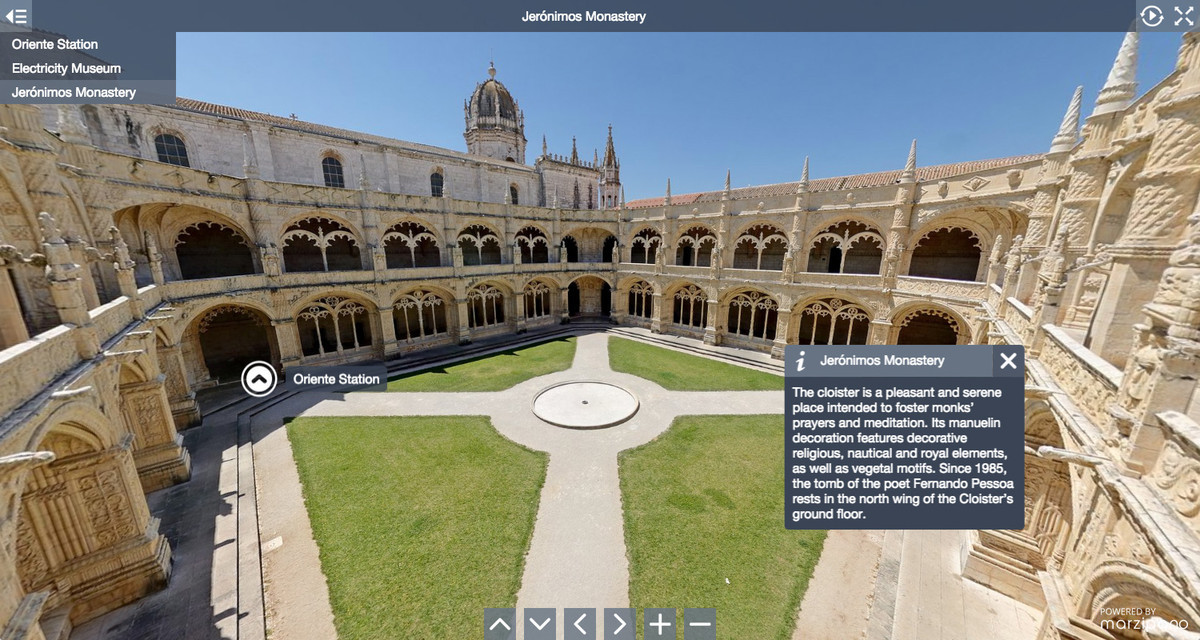
Simple responsive tour generated with the Marzipano Tool. Includes features such as hotspots and autorotate.
Try Demo View SourceOften seen in the bittersweet endings of Japanese films and literature. Collectivism vs. Individualism
As the Japanese entertainment industry continues to evolve and grow, it is likely that we will see even more innovative and imaginative works emerge, solidifying Japan's position as a global leader in entertainment and culture. jav uncensored paco 031910053 married woma
The Japanese entertainment industry is a cultural paradox: it is simultaneously the most insular (domestic television is notoriously closed to foreigners) and the most globally influential (anime dominates global streaming charts). It survives by mining Japan’s deepest anxieties—disaster, isolation, economic stagnation—and transforming them into universally resonant art. Moving forward, the industry’s biggest challenge is not conquering new markets, but resolving the human cost of its own craftsmanship. Without fair labor for animators and healthier fan relations for idols, the "Kawaii Kingdom" risks becoming a hollowed-out shell, producing content for the world at the expense of its own people. Often seen in the bittersweet endings of Japanese
Another significant aspect of Japanese entertainment is J-pop, short for Japanese pop music. J-pop is a genre of music that originated in the 1960s but gained popularity worldwide in the 1990s with artists like Ayumi Hamasaki and Utada Hikaru. Today, J-pop is a major force in the Japanese music industry, with artists like AKB48, One Direction, and Kyary Pamyu Pamyu achieving significant success both domestically and internationally. J-pop is known for its catchy melodies, colorful music videos, and highly produced live performances. The Japanese entertainment industry is a cultural paradox:
Please post bug reports on the GitHub issue tracker. Use the discussion group for suggestions, questions or comments.
Marzipano is not an official Google product.