Ice Age 1 Dublat In Romana 2002 Hot

Mamuț și Mascotă: O Poveste de Weekend în 2002

Când vorbim de animația care a schimbat jocul la începutul anilor 2000, puține titluri răsună la fel de puternic ca Ice Age (Epoca de Gheață). Dar pentru publicul din România, există o versiune aproape mitică, căutată febril pe forumuri, grupuri de Facebook și site-uri de torrente: . ice age 1 dublat in romana 2002 hot

The 2002 animated film (released in Romania as Epoca de gheață Mamuț și Mascotă: O Poveste de Weekend în

Set during the Pleistocene ice age, the story follows an unlikely trio—Manny the mammoth, Sid the sloth, and Diego the saber-toothed cat—as they attempt to return a human infant to its tribe. Key Characters: A grumpy but noble woolly mammoth. A talkative and clumsy ground sloth. A sardonic saber-toothed cat with a hidden agenda. Key Characters: A grumpy but noble woolly mammoth

The Romanian version of Ice Age is often cited as a gold standard for localized animation. Unlike modern dubs that sometimes feel rushed, the 2002 production captured the distinct, grumpy-yet-lovable essence of the main trio: Voiced by Vlad Blându

Ice Age, released in 2002, stands as a landmark in the history of animated cinema, marking the successful debut of Blue Sky Studios. While the film gained global acclaim for its innovative storytelling and humor, its impact in Romania was significantly amplified by the high-quality Romanian dubbing. The phrase "Ice Age 1 dublat in romana 2002 hot" reflects a nostalgic search for a cinematic experience that defined the childhood of an entire generation of Romanian viewers. This essay explores the cultural significance of the film, the artistry behind its Romanian localization, and why it remains a beloved "hot" topic in digital circles decades later.
Examens
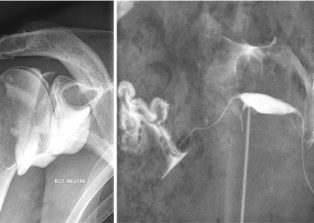
  • Radiographie de contraste

    Les rayons X permettent de différencier les structures ...

    EOS

    EOS est un appareil de radiographie innovant qui ...

    IRM

    Imagerie par Résonance Magnétique.L’IRM est une technique permettant ...

  • Mammographie

    La mammographie est un examen radiologique utilisant des ...

    Echographie

    L’échographie utilise les ultrasons. Ceux-ci sont émis par ...

    Scanner

    Cet appareil utilise un émetteur de rayons X ...

  • Ostéodensitométrie

    Cet examen utilise des rayons X à dose ...

    Radiologie interventionnelle

    L’activité principale des radiologues consiste à interpréter des ...

    Radiologie générale

    Le passage des rayons X à travers un ...

  • Radiologie dentaire

    Le panoramique dentaire ou orthopantomogramme (OPG) est une ...

Mamuț și Mascotă: O Poveste de Weekend în 2002

Când vorbim de animația care a schimbat jocul la începutul anilor 2000, puține titluri răsună la fel de puternic ca Ice Age (Epoca de Gheață). Dar pentru publicul din România, există o versiune aproape mitică, căutată febril pe forumuri, grupuri de Facebook și site-uri de torrente: .

The 2002 animated film (released in Romania as Epoca de gheață

Set during the Pleistocene ice age, the story follows an unlikely trio—Manny the mammoth, Sid the sloth, and Diego the saber-toothed cat—as they attempt to return a human infant to its tribe. Key Characters: A grumpy but noble woolly mammoth. A talkative and clumsy ground sloth. A sardonic saber-toothed cat with a hidden agenda.

The Romanian version of Ice Age is often cited as a gold standard for localized animation. Unlike modern dubs that sometimes feel rushed, the 2002 production captured the distinct, grumpy-yet-lovable essence of the main trio: Voiced by Vlad Blându

Ice Age, released in 2002, stands as a landmark in the history of animated cinema, marking the successful debut of Blue Sky Studios. While the film gained global acclaim for its innovative storytelling and humor, its impact in Romania was significantly amplified by the high-quality Romanian dubbing. The phrase "Ice Age 1 dublat in romana 2002 hot" reflects a nostalgic search for a cinematic experience that defined the childhood of an entire generation of Romanian viewers. This essay explores the cultural significance of the film, the artistry behind its Romanian localization, and why it remains a beloved "hot" topic in digital circles decades later.