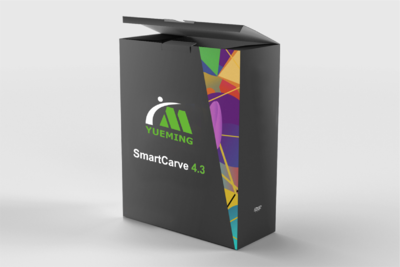
Скачать - SmartCarve 4.3.26
SmartCarve — это программное обеспечения для лазерных станков Yueming серии CMA. Вы можете скачать ПО с нашего сайта и установить его на свой компьютер.
The DIGI SM-5300B manual work features center on its high-interaction PC-based interface, which allows for complex manual tasks like on-the-fly PLU (Product Look-Up) creation and personalized staff training . The "B" in the model name specifically refers to the Bench version of this scale series. Key Manual Operation Features Manual PLU Creation: You can create new items directly on the scale by entering a unique number, accessing the PLU button , and using the touchscreen to manually input names (e.g., "fresh tuna"), unit prices, and cost. Customizable Touchscreen Keys: Operators can manually program Preset Keys to appear on the home screen. This involves selecting a PLU and touching an empty button space on the interface to assign it for quick access. On-Demand Staff Support: The 7-inch operator display can be used manually to pull up product information , counter layouts, hygiene procedures, and even the full equipment manual to assist with staff training. Flexible Secondary Information: Users can manually enter special text such as "Product of USA" or specific cooking instructions to be printed on labels. Manual/Automatic Mode Toggle: Operators can switch between standard manual printing (pressing a button to print a ticket) and a prepack mode , where labels print automatically as soon as an item is placed on the load cell. Technical Manual Specifications ( Specification Operator Display 7" WVGA color touchscreen (800x480) Preset Keys 28 physical or on-screen keys Function Keys 23 Alphanumeric function keys Labeling Liner and Linerless with built-in auto-cutter Print Speed Up to 150mm/s for liner; 100mm/s for linerless For more detailed technical data or error troubleshooting, you can refer to the Service Manual SM-5300 or official product pages from DIGI America and DIGI Canada . SM-5300 | Retail | DIGI America
The DIGI SM-5300 is a PC-based weigh-labeller designed for retail environments, featuring high-speed printing and a user-friendly interface. This guide covers the essential manual operations for daily use. 1. Initial Setup & Powering On Power Toggle : Locate the power switch (usually underneath or on the side of the base) and turn it on. Initialization : Wait for the system to boot to the main registration screen. Ensure the scale platter is clear of any items during this process to allow for proper zero calibration. Zeroing : If the display does not show 0.0000.000 , press the [ZERO] key to reset the baseline weight. 2. Loading Labels The SM-5300 often uses linerless labels with an auto-cutter feature to reduce waste . Open the printer cover (usually on the side of the unit). Remove the empty label roll core. Insert a new roll, ensuring the thermal side (printable side) faces the print head. Feed the label edge through the auto-cutter and sensors. Close the cover firmly; the scale should automatically detect the label size and align the paper . 3. Weighing & Labeling Operations Manual PLU Entry : Type the PLU (Price Look-Up) number using the numeric keypad and press the [PLU] key. Preset Keys : For high-volume items, use the touchscreen or physical preset keys to select a product instantly. Tare Weight Setup : One-Touch Tare : Place an empty container on the scale and press [TARE] . The scale will subtract this weight from the total . Digital Tare : If you know the weight of the container, type the value (e.g., ) and press [TARE] . Printing : Once the weight stabilizes, the scale will automatically print the label (if in "Auto" mode) or wait for you to press the [PRINT] key. 4. Daily Maintenance Print Head Cleaning : Use a thermal head cleaning pen or a soft cloth with isopropyl alcohol to wipe the print head daily to prevent streaks and maintain barcode readability. Scale Platter : Remove and wipe down the stainless steel platter with a damp cloth to prevent debris buildup. Cutter Maintenance : Periodically check the auto-cutter for adhesive buildup, especially when using linerless labels. 5. Troubleshooting Common Issues "Scale Not Stable" : Ensure the scale is on a flat, vibration-free surface and that no fans are blowing directly on the platter. "Paper Jam" : Open the printer compartment and check for labels stuck to the rollers or cutter blade. "No Label Detected" : Ensure the label roll is seated correctly and that the paper sensor is not blocked by dust. For detailed technical adjustments or network configurations, you can refer to the official SM-5300 Service Manual for deeper PC-scale printer settings .
DIGI SM-5300B is a high-performance PC-based bench scale designed for retail environments. Manual operations typically involve weighing items, calling up Price Look-Up (PLU) codes, and managing the printer for labels or receipts. dimousystems.gr Basic Manual Operations Weighing an Item : Place the item on the platter. The weight will automatically display on the 7-inch operator touch screen. Calling a PLU Preset Keys : Tap a pre-programmed product key on the left side of the screen. Manual Entry : Type the PLU number using the on-screen numeric keypad and press the Printing a Label : After selecting a PLU, press the print button (typically located at the bottom right) to generate a ticket. Prepack Mode : This mode automates printing. Once a PLU is active, the scale prints a label every time a new item is placed on the load cell without requiring a manual "Print" command. dimousystems.gr Programming and Maintenance Creating a New PLU : Access the menu. Enter a unique PLU number, then fill in fields for the item name, unit price (per kg or piece), and barcode information. Loading Labels Open the printer cassette using the release button. Place the label roll onto the green bezel. Feed the paper through the "goal posts" and close the door. button on the screen to align the paper. Using Tare : Place an empty container on the scale and press the (often labeled ) button to zero out its weight before adding the product. Technical Resources For in-depth technical configuration, you can refer to the SM-5300 Service Manual on Scribd , which details key functions, display indicators, and internal sub-assemblies. designing label formats for this model? Service Manual SM-5300: PC Scale Printer Edition 1 - Scribd
Unleashing the Power of the Digi SM5300B: A Comprehensive Guide to Manual Work In today's fast-paced digital landscape, automation and efficiency have become the holy grail of modern industries. However, there are still situations where manual work is not only necessary but also preferred. The Digi SM5300B, a popular satellite modem, is a prime example of a device that requires manual work to unlock its full potential. In this article, we'll dive into the world of manual work with the Digi SM5300B and explore its capabilities, challenges, and best practices. Understanding the Digi SM5300B The Digi SM5300B is a high-performance satellite modem designed for use in a variety of applications, including maritime, aviation, and land-based communications. With its robust feature set and flexible configuration options, the SM5300B has become a go-to choice for organizations requiring reliable and efficient satellite connectivity. Why Manual Work is Necessary While the Digi SM5300B is an incredibly capable device, manual work is often required to: digi sm5300b manual work
Configure advanced settings : The SM5300B offers a wide range of advanced features, such as network routing, security protocols, and Quality of Service (QoS) settings. Manual configuration is necessary to optimize these features for specific use cases. Troubleshoot issues : When problems arise, manual work is often required to diagnose and resolve issues. This may involve analyzing system logs, adjusting configuration settings, or performing firmware updates. Perform maintenance and upgrades : Regular maintenance and upgrades are essential to ensure the SM5300B continues to operate at peak performance. Manual work is necessary to perform these tasks, which may include updating firmware, replacing hardware components, or reconfiguring system settings.
Challenges of Manual Work with the Digi SM5300B While manual work with the Digi SM5300B can be rewarding, it also presents several challenges, including:
Complexity : The SM5300B is a sophisticated device with a wide range of features and settings. Manual work can be time-consuming and requires a deep understanding of the device's capabilities and configuration options. Technical expertise : Working with the SM5300B requires a high level of technical expertise, including knowledge of satellite communications, networking protocols, and device configuration. Physical demands : In some cases, manual work with the SM5300B may require physical access to the device, which can be challenging in remote or hard-to-reach locations. The DIGI SM-5300B manual work features center on
Best Practices for Manual Work with the Digi SM5300B To ensure successful manual work with the Digi SM5300B, follow these best practices:
Consult the user manual : The Digi SM5300B user manual is an invaluable resource for understanding the device's features, configuration options, and troubleshooting procedures. Develop a thorough understanding of satellite communications : Familiarize yourself with satellite communication protocols, networking fundamentals, and device configuration to ensure effective manual work. Use diagnostic tools : Utilize diagnostic tools, such as system logs and network analyzers, to troubleshoot issues and optimize device performance. Document your work : Keep detailed records of manual work, including configuration changes, maintenance activities, and troubleshooting procedures.
Conclusion The Digi SM5300B is a powerful satellite modem that requires manual work to unlock its full potential. While manual work presents challenges, following best practices and developing a thorough understanding of the device and satellite communications can ensure successful outcomes. By embracing the complexities of manual work with the Digi SM5300B, organizations can optimize device performance, troubleshoot issues, and maintain reliable satellite connectivity. Additional Resources organizations can optimize device performance
Digi SM5300B User Manual: [insert link] Digi International Support: [insert link] Satellite Communications Resources: [insert link]
By following this guide and leveraging the resources provided, you'll be well on your way to becoming proficient in manual work with the Digi SM5300B. Whether you're a seasoned technician or just starting out, the rewards of manual work with this powerful device are well worth the effort.
SmartCarve — это программное обеспечения для лазерных станков Yueming серии CMA. Вы можете скачать ПО с нашего сайта и установить его на свой компьютер.
Андрей Ответить
Добрый день, подскажите, есть возможность ссылки обновить, эти не работают.
Валерий Ответить
Здравствуйте, как скачать? при попытке скачать фа
Валерий Ответить
Здравствуйте, как скачать? при попытке скачать файлы отсутствуют на яндекс диске у Вас, обновите ссылки пожалуйста
Сергей Ответить
Добрый день, подскажите для yueming PN 6040 какая программа подойдет? была SmartCarve 3,016