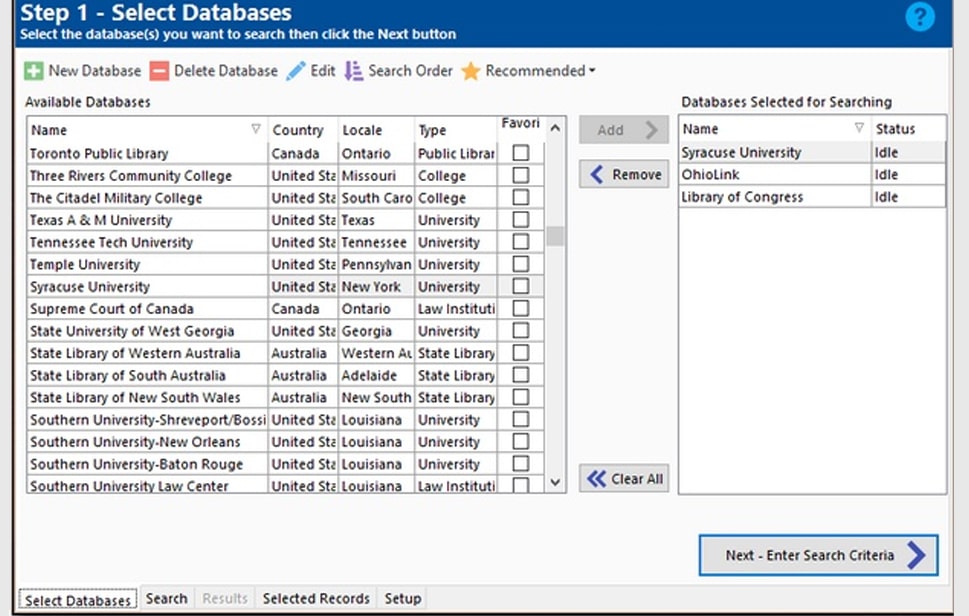






Host Surpass for Windows on your server with access options for single-users, multi-user networks, or choose the web-based edition.
Hijab (locally called kerudung ) was less common and mostly worn by elders or in religious schools.
Overall, Indonesian hijab fashion and culture are a vibrant and dynamic reflection of the country's diverse Islamic heritage and cultural influences.
The evolution of the hijab in Indonesia from a symbol of marginalization to a global fashion phenomenon illustrates the complex interplay between religion, democracy, and capitalism. Indonesian women have not merely adopted the hijab; they have reinvented it as a creative, entrepreneurial, and deeply localized practice. While tensions between piety and consumerism persist, the industry’s emphasis on digital innovation and cultural heritage suggests that Indonesia will remain the unrivaled trendsetter in global modest fashion for the foreseeable future. The hijab is no longer just a covering—it is a canvas for identity, nationhood, and economic aspiration.
The hijab has been an essential part of Indonesian Muslim women's attire for centuries. Traditionally, the hijab was worn as a symbol of piety and modesty, with designs and styles influenced by regional and cultural traditions. In the 1980s, Indonesian hijab fashion began to take on a more modern and globalized look, with the introduction of new fabrics, colors, and styles.
Indonesia is the world's most populous Muslim-majority country, with over 220 million Muslims. The hijab, a traditional headscarf worn by Muslim women, has been an integral part of Indonesian culture for centuries. The country's Islamic traditions and cultural influences from the Middle East, South Asia, and Southeast Asia have shaped the evolution of hijab fashion.

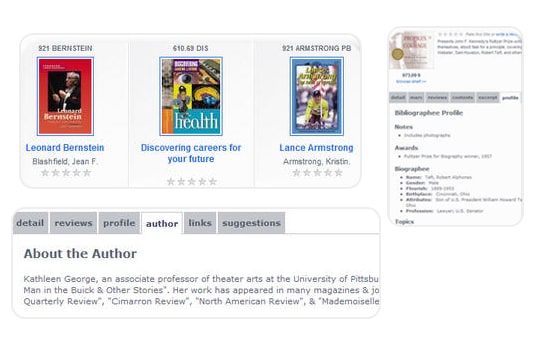
Extend and enhance your catalog with content from over 10 million titles. Insert book jacket images, include summaries, annotations, excerpts, table of contents, author notes, and reviews. Let patrons know which books are part of a series and add video and music related to their selections.

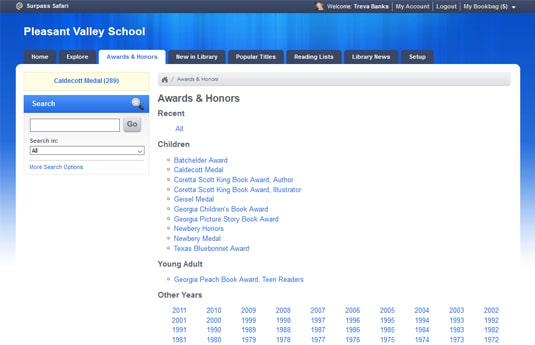
Automatically update your catalog when literary medal winners are announced. Configure your settings to only show the awards you want within book details.

Automatically update MARC records with reading levels for The Lexile Framework, Accelerated Reader, and Scholastic Reading Counts. Patrons can filter OPAC searches by reading level, point value, or quiz availability. Educators can use Lexile values to find resources for an individual or group of students.
Hijab (locally called kerudung ) was less common and mostly worn by elders or in religious schools.
Overall, Indonesian hijab fashion and culture are a vibrant and dynamic reflection of the country's diverse Islamic heritage and cultural influences.
The evolution of the hijab in Indonesia from a symbol of marginalization to a global fashion phenomenon illustrates the complex interplay between religion, democracy, and capitalism. Indonesian women have not merely adopted the hijab; they have reinvented it as a creative, entrepreneurial, and deeply localized practice. While tensions between piety and consumerism persist, the industry’s emphasis on digital innovation and cultural heritage suggests that Indonesia will remain the unrivaled trendsetter in global modest fashion for the foreseeable future. The hijab is no longer just a covering—it is a canvas for identity, nationhood, and economic aspiration.
The hijab has been an essential part of Indonesian Muslim women's attire for centuries. Traditionally, the hijab was worn as a symbol of piety and modesty, with designs and styles influenced by regional and cultural traditions. In the 1980s, Indonesian hijab fashion began to take on a more modern and globalized look, with the introduction of new fabrics, colors, and styles.
Indonesia is the world's most populous Muslim-majority country, with over 220 million Muslims. The hijab, a traditional headscarf worn by Muslim women, has been an integral part of Indonesian culture for centuries. The country's Islamic traditions and cultural influences from the Middle East, South Asia, and Southeast Asia have shaped the evolution of hijab fashion.